The Thrill of Chance
Casino games have captivated audiences for centuries, drawing players into a world where luck and strategy intertwine. The thrill that comes with gambling is often rooted in the unpredictable nature of these games. Players experience adrenaline rushes as they place bets, unsure of whether they will win or lose. This element of chance creates a unique allure, making every round a potential moment of joy or disappointment, reflecting the ups and downs of life itself. Many gamers prefer options like uk casino not on gamstop to enhance their luck.
This thrill is not merely about financial gain; it’s about the excitement of risk-taking. Individuals are often drawn to the idea of winning big, which feeds into a desire for escapism. For many, engaging with games like poker, roulette, or slot machines offers a brief respite from everyday responsibilities and stresses, transporting them into a realm of excitement and possibility.
The Psychology of Gambling
Understanding the psychological impact of casino games reveals why they can be so addictive. The brain’s reward system plays a critical role here. When players win, they release dopamine, a neurotransmitter that stimulates feelings of pleasure. This chemical reaction can create a cycle where the individual returns to the casino in search of that same euphoric feeling, often leading to habitual gambling behaviors.
Moreover, the design of casino environments is intentionally crafted to enhance this psychological impact. Bright lights, engaging sounds, and the visceral thrill of gameplay all serve to create a sensory experience that can heighten emotions. Many gamblers find it challenging to walk away from the excitement, driven by the anticipation of potential rewards that can overshadow the risks involved.
The Role of Social Interaction
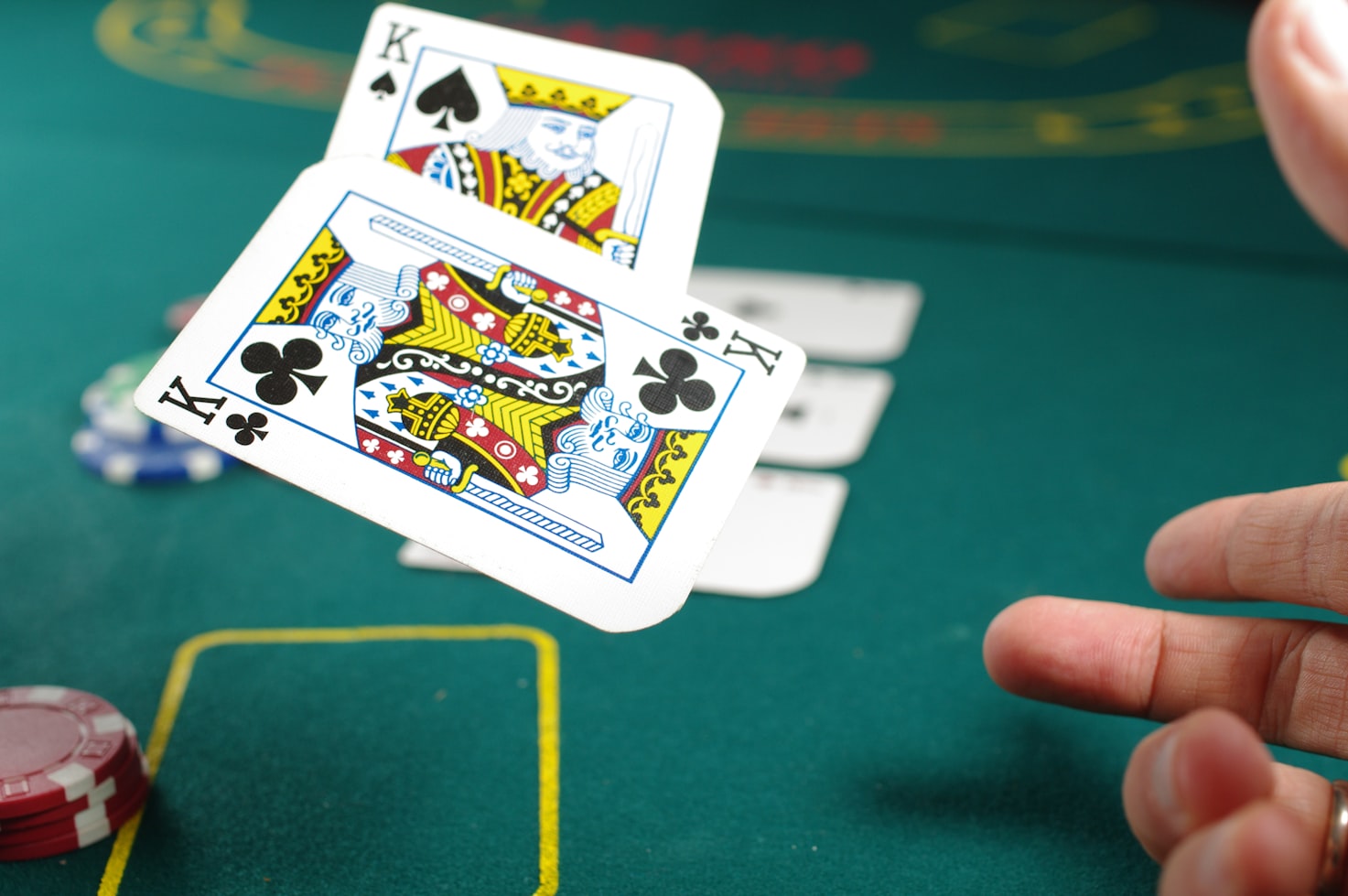
Another compelling aspect of casino games is the social interaction they foster. Participating in games with friends or strangers can create a sense of community and shared excitement. This social dynamic is particularly prominent in games like poker, where bluffing and reading opponents enhance the experience beyond just winning money.
The camaraderie found in casinos can lead to a sense of belonging, which is especially appealing for individuals seeking connection. The shared successes and failures strengthen bonds among players, making the gambling experience feel more communal and engaging, thereby enhancing its allure.
The Consequences of Gambling Addiction
While the allure of casino games is undeniable, it’s crucial to recognize the potential dangers of gambling addiction. Many individuals may initially engage with these games for leisure, but what starts as a fun pastime can spiral into a serious issue. Symptoms of addiction can include financial problems, strained relationships, and emotional distress.
Education about the signs of gambling addiction is essential for both players and their support systems. Understanding when gambling shifts from a form of entertainment to a harmful obsession can help individuals seek help early, paving the way for recovery and healthier choices moving forward.
Resources for Responsible Gaming
For those seeking to enjoy casino games responsibly, it’s important to integrate awareness and education into gaming practices. Various organizations provide resources and support for individuals looking to maintain a healthy relationship with gambling. These resources emphasize setting limits, understanding personal triggers, and identifying safe gambling practices.
Ultimately, fostering a culture of responsible gaming can help preserve the enjoyment of casino games while minimizing potential negative psychological impacts. By embracing educational initiatives, individuals can continue to experience the thrill of gambling while remaining mindful of their behaviors and choices.